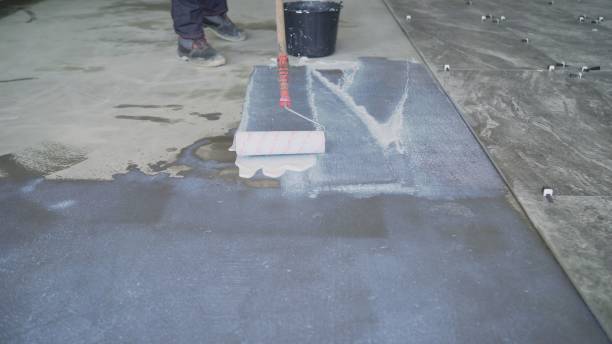
Concrete sealers are an essential component in maintaining and enhancing the durability and appearance of concrete surfaces. Whether applied to residential patios or expansive commercial floors, the right sealer can protect against wear and tear, moisture, and environmental damage. Understanding the benefits and types of concrete sealers available enables property owners and contractors to make informed decisions that improve both functionality and aesthetics.
Understanding Concrete Sealers
Concrete sealers are protective coatings applied to concrete surfaces to enhance their longevity and appearance. They act as a barrier, preventing the penetration of water, oils, and other contaminants. With a variety of options available, choosing the right sealer can significantly impact the performance and look of your space.
Types of Concrete Sealers
- Penetrating Sealers: These sealers penetrate the concrete surface to form a chemical barrier that protects against moisture and stains. They are ideal for exterior surfaces that are exposed to harsh weather conditions.
- Acrylic Sealers: Offering a thin protective film on the concrete surface, acrylic sealers are known for enhancing the appearance of colored or decorative concrete. They are available in both solvent-based and water-based variations.
- Epoxy Sealers: Known for their durability and chemical resistance, epoxy sealers are typically used for indoor applications such as garage floors and commercial spaces.
- Polyurethane Sealers: These provide a durable, high-gloss finish and are resistant to abrasion and chemicals, making them suitable for high-traffic areas.
Each type of sealer offers unique benefits, making it crucial to select one that aligns with the specific requirements of your project. Discover expert strategies here for selecting the right concrete sealer for your needs.
Benefits of Using Concrete Sealers
The application of concrete sealers offers multiple advantages that extend the life and enhance the appearance of concrete surfaces:
- Protection: Sealers provide a protective layer that shields the concrete from the elements, preventing damage from water, stains, and chemicals.
- Durability: By reducing the wear and tear on surfaces, sealers extend the lifespan of concrete, reducing the need for costly repairs.
- Enhanced Appearance: Many sealers enhance the natural beauty of concrete, bringing out colors and adding a glossy or matte finish.
- Ease of Maintenance: Sealed surfaces are easier to clean and maintain, as they resist stains and dirt accumulation.
For more information on how to maximize these benefits, learn about our tailored solutions and how they can be applied in different scenarios.
Choosing the Right Concrete Sealer
Selecting the appropriate concrete sealer involves considering several factors, including the location of the concrete, the level of exposure to traffic and weather, and the desired aesthetic outcome. Here are some key considerations:
- Indoor vs. Outdoor: Different environments require different types of protection. Outdoor surfaces need sealers that can withstand UV exposure and moisture, while indoor surfaces may focus more on abrasion resistance.
- Traffic Levels: Areas with high foot or vehicle traffic may require more durable sealers, such as epoxy or polyurethane.
- Finish Preference: Consider if a glossy, matte, or natural finish is preferred to match the design intent of the space.
To ensure you select the most suitable sealer for your project, explore advanced guides and tips available from leading industry resources.
Application Tips for Concrete Sealers
Proper application of concrete sealers is crucial for achieving the best results. Consider the following tips for a successful application:
- Surface Preparation: Ensure the concrete surface is clean, dry, and free of any contaminants before applying the sealer.
- Correct Tools: Use appropriate tools such as rollers, brushes, or sprayers for even application.
- Follow Manufacturer Instructions: Always adhere to the manufacturer’s guidelines regarding application conditions and drying times.
Find out more about this approach to ensure optimal application and performance of concrete sealers.
About the Author