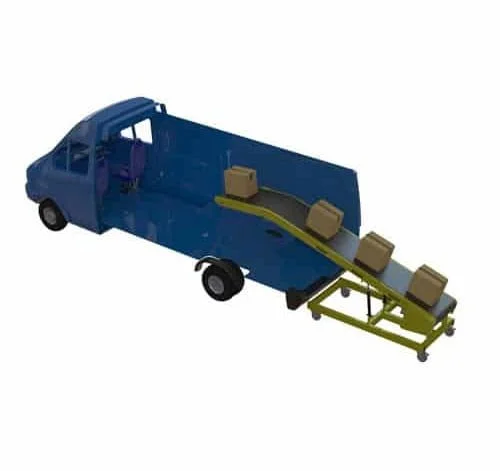
Conveyor belts are a crucial component in various industries, from manufacturing and mining to food processing and distribution. When selecting a conveyor belt, businesses often face a myriad of choices, and prices can vary significantly based on several factors. Understanding what influences these costs can help companies make informed decisions, ensuring they invest in a conveyor system that meets their operational needs and budget. This article delves into the key elements that affect conveyor belt pricing and offers insights into how to approach the decision-making process effectively.
Factors Influencing Conveyor Belt Prices
Conveyor belt prices are influenced by a range of factors. Knowing these can assist businesses in selecting the appropriate system without compromising on quality or functionality.
Material and Type
The materials used in constructing a conveyor belt play a significant role in its cost. Common materials include:
- Rubber: Offers durability and flexibility. Often used in environments where belts need to handle heavy loads or abrasive materials.
- Metal: Typically used in high-temperature or heavy-duty applications. Metals like stainless steel provide excellent resistance to corrosion.
- Plastic: Cost-effective and suitable for lightweight applications. Provides excellent resistance to chemicals and moisture.
Choosing the right material can depend on the specific requirements of the application. Learn about our tailored solutions to find the material that best fits your needs.
Size and Length
The size and length of a conveyor belt will directly impact the cost. Longer belts require more material, increasing the price. Additionally, wider belts tend to be more expensive than narrower ones due to the increased amount of raw material needed.
When considering the size, it’s essential to balance cost with the required capacity and operational efficiency. Explore advanced guides and tips to determine the optimal size for your operations.
Special Features and Customization
Customization can significantly influence conveyor belt prices. Features such as:
- Temperature resistance: Necessary for applications involving extreme temperatures.
- Anti-static properties: Important in environments where static electricity could be hazardous.
- Food-grade safety: Crucial for belts used in food processing to ensure compliance with health standards.
Customizing a conveyor belt to meet specific industry standards or operational requirements will often add to the cost. Find out more about this approach to customization and its implications on pricing.
Assessing Total Cost of Ownership
While the initial purchase price is an important consideration, evaluating the total cost of ownership is crucial for a comprehensive understanding of the investment. This includes:
- Maintenance Costs: Regular maintenance can prevent costly repairs and downtime. Consider the ease of maintenance when choosing a conveyor belt.
- Energy Efficiency: Modern conveyor systems are designed to be energy efficient, reducing long-term operational costs.
- Lifespan and Replacement: A higher upfront cost might be justified if the belt has a longer operational life and requires fewer replacements.
To make a well-rounded decision, it’s helpful to discover expert strategies here that consider both initial and ongoing costs.
Conclusion
Selecting a conveyor belt involves a careful analysis of various factors that influence price. By understanding these elements, businesses can make strategic choices that align with their operational goals and budget constraints. Investing in a quality conveyor system is not just about the initial purchase but involves considering long-term benefits and efficiencies. For more insights and guidance on selecting the right conveyor belt for your needs, explore advanced guides and tips.
About the Author