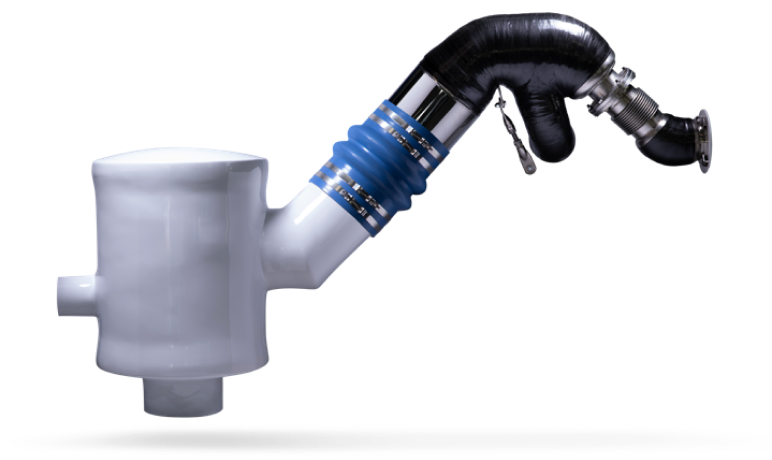
Choosing the right exhaust riser for a vessel is a significant decision that can impact the performance and longevity of the marine engine. The exhaust riser is an essential component that helps manage the engine’s back pressure and prevents water from entering the engine through the exhaust system. Understanding the various types of exhaust risers, their materials, and how they integrate with the vessel’s engine system is crucial for making an informed choice.
Understanding Your Vessel’s Requirements
The first step in selecting an appropriate exhaust riser is to understand the specific requirements of your vessel. This involves considering several factors that can influence your decision:
- Engine Type and Model: Different engines have unique specifications and requirements for exhaust risers. Ensure compatibility with the engine’s make and model.
- Vessel Size and Type: The size and type of the vessel can determine the size and design of the exhaust riser needed.
- Operating Environment: Consider whether the vessel operates in saltwater or freshwater, as this can affect material choice due to corrosion resistance needs.
Material Considerations
Stainless Steel
Stainless steel is often preferred for exhaust risers due to its excellent corrosion resistance and durability. It is particularly suitable for vessels operating in harsh marine environments where exposure to saltwater is common.
Aluminum
Aluminum risers are lightweight and offer good resistance to corrosion, making them a suitable choice for many applications. However, they may not be as durable as stainless steel in highly corrosive environments.
Composite Materials
Composite materials have gained popularity due to their lightweight properties and resistance to corrosion. They are often used in custom applications where specific design requirements must be met.
Design and Configuration
The design and configuration of the exhaust riser are critical to ensuring efficient operation and the protection of the engine from water ingress. Key design considerations include:
- Length and Diameter: The riser’s dimensions can affect exhaust flow and engine performance.
- Waterline Clearance: Ensure that the riser is designed to maintain adequate clearance above the waterline to prevent backflow.
- Angle and Positioning: Proper angle and positioning are essential to facilitate efficient exhaust flow and prevent water intrusion.
Installation and Maintenance
Proper installation is vital for the performance and safety of the exhaust riser. It is advisable to have a professional marine technician handle the installation to ensure all components are fitted correctly and securely.
- Regular Inspections: Conduct regular inspections to check for signs of wear, corrosion, or damage.
- Routine Maintenance: Regular maintenance can prolong the life of the exhaust riser and ensure optimal performance.
Consultation and Expert Advice
When in doubt, seeking expert advice can be invaluable. Marine exhaust system specialists can provide insights and recommendations based on the specific needs of your vessel. Engaging with professionals can help avoid costly mistakes and ensure the selected exhaust riser meets all operational requirements.
By understanding the various factors involved in choosing an exhaust riser and consulting with knowledgeable professionals, vessel owners can make informed decisions that enhance their vessel’s performance and longevity. For additional guidance on selecting the right exhaust riser for specific applications, visiting industry-leading resources can be beneficial.
About the Author