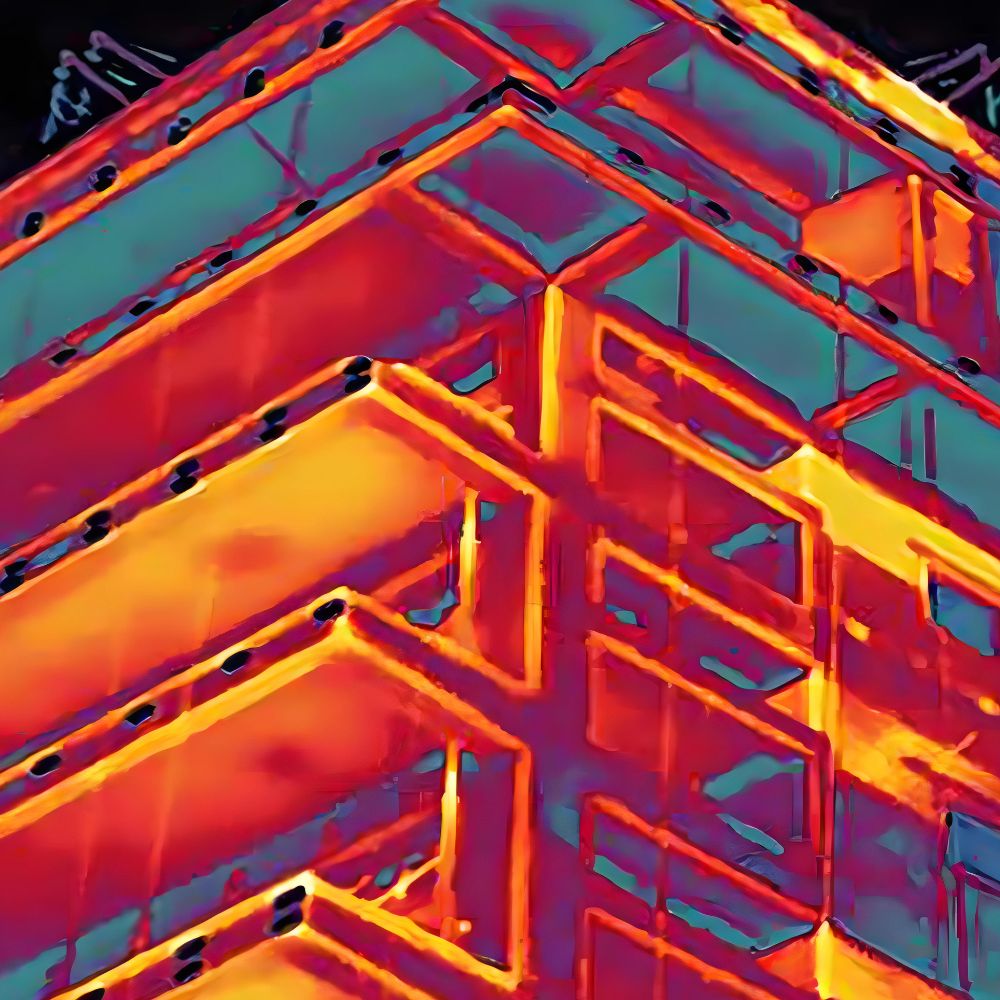
In the construction industry, energy efficiency is a priority, and thermal breaks play a vital role in achieving this goal. As insulation materials that reduce energy transfer between different components of a building, thermal breaks are indispensable. They help maintain consistent internal temperatures, reduce energy costs, and improve overall comfort. Selecting the right thermal break requires careful consideration of various factors to ensure that it meets the specific needs of a project.
Understanding Thermal Breaks
Thermal breaks are insulating materials inserted between conductive materials to minimize heat transfer. They are commonly used in building envelopes, including windows, doors, and facades. By providing a barrier to thermal bridges, these components are essential in the design of energy-efficient buildings.
Factors to Consider
Material Compatibility
The choice of thermal break material should be compatible with the surrounding building materials. It is crucial to ensure that the thermal break does not react adversely with other materials, potentially compromising structural integrity or performance over time. Find out more about this approach.
Thermal Conductivity
The primary function of a thermal break is to reduce heat transfer. Therefore, selecting materials with low thermal conductivity is essential. Consider the following:
- Materials with a thermal conductivity value closer to zero provide better insulation.
- Assess the U-value of the overall assembly to understand its insulating performance.
- Consult with experts to evaluate the thermal properties of various materials. Learn about our tailored solutions.
Structural Requirements
In addition to thermal performance, structural strength is paramount. Thermal breaks must support the loads imposed by the building without deforming or failing. Consider the following structural factors:
- Load-bearing capacity of the thermal break material.
- Resistance to compression and elongation.
- Compatibility with design loads and building codes.
Environmental and Regulatory Considerations
Environmental impact and adherence to regulations are increasingly important in construction. Selecting thermal breaks that meet these criteria can enhance sustainability:
- Choose materials with minimal environmental impact, considering lifecycle assessments.
- Ensure compliance with local and international building standards.
- Investigate the recyclability and end-of-life disposal options of the material.
Explore advanced guides and tips for meeting these environmental and regulatory requirements.
Cost Considerations
While cost is a significant factor, it should not compromise performance or quality. Striking a balance between affordability and efficiency is key:
- Compare initial material costs against long-term energy savings.
- Evaluate total cost of ownership, including installation and maintenance.
- Seek expert advice to optimize cost without sacrificing quality. Discover expert strategies here.
Choosing the right thermal breaks is a multifaceted decision that impacts the efficiency, sustainability, and cost-effectiveness of a building. By considering material compatibility, thermal conductivity, structural requirements, and environmental factors, stakeholders can make informed decisions. These considerations, coupled with expert insights, can guide the selection process to ensure optimal results for modern construction projects.
About the Author