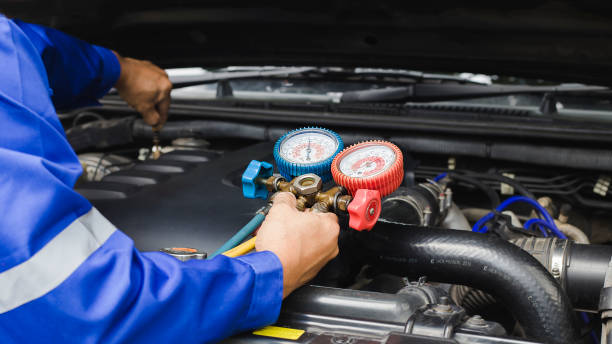
The engine cooling thermostat plays a pivotal role in maintaining the optimal temperature for engine performance and longevity. It regulates the flow of coolant through the engine, ensuring that it does not overheat or run too cold. Regular maintenance of this critical component can prevent costly repairs and improve vehicle efficiency. Understanding how the thermostat fits into the car engine cooling system can empower vehicle owners to take proactive measures in ensuring their vehicles operate at peak performance.
Understanding the Engine Cooling Thermostat
The engine cooling thermostat is a small device located between the engine and the radiator. Its primary function is to regulate the engine’s temperature by controlling the flow of coolant. When the engine is cold, the thermostat remains closed, allowing it to warm up quickly. Once the engine reaches its optimal temperature, the thermostat opens to let coolant circulate through the radiator cooling system.
Signs of a Failing Thermostat
- Engine Overheating: A thermostat stuck in the closed position may cause the engine to overheat.
- Poor Fuel Economy: A thermostat stuck open may prevent the engine from reaching its optimal operating temperature, leading to increased fuel consumption.
- Erratic Temperature Readings: Fluctuating temperature gauge readings can indicate thermostat issues.
- Coolant Leaks: Visible leaks around the thermostat housing could suggest a failing gasket or seal.
Maintaining Your Thermostat
Consistent maintenance of the thermostat cooling system is essential for the longevity of the engine. Implementing a regular inspection routine can help identify potential issues before they escalate.
Regular Inspection
- Check for Leaks: Inspect the thermostat housing and surrounding areas for any signs of coolant leaks.
- Monitor Temperature: Regularly check the vehicle’s temperature gauge to ensure it remains within the normal operating range.
- Inspect the Radiator: Keep an eye on the engine cooling radiator and ensure it is free of obstructions and damage.
When to Replace the Thermostat
Replacement of the thermostat is typically recommended as part of the vehicle’s routine maintenance schedule. Consider replacing the thermostat if:
- There are recurring overheating issues.
- The thermostat is over five years old.
- There is a significant loss of coolant without visible leaks.
Benefits of a Well-Maintained Thermostat
Maintaining the thermostat and other engine cooling system parts ensures the vehicle operates within its optimal temperature range, providing several benefits:
- Improved Fuel Efficiency: A properly functioning thermostat helps the engine reach its optimal temperature quickly, reducing fuel consumption.
- Enhanced Engine Performance: Consistent engine temperatures lead to better performance and reduced wear on engine components.
- Prolonged Engine Life: Regular maintenance of the thermostat and other car cooling parts contributes to a longer engine lifespan.
In conclusion, the engine cooling thermostat is a vital component of the cooling engine system. Regular maintenance and prompt attention to any signs of failure can prevent costly repairs and ensure that the vehicle operates efficiently. For those seeking to maintain the best engine cooling system, understanding and caring for the thermostat is an essential step.
About the Author