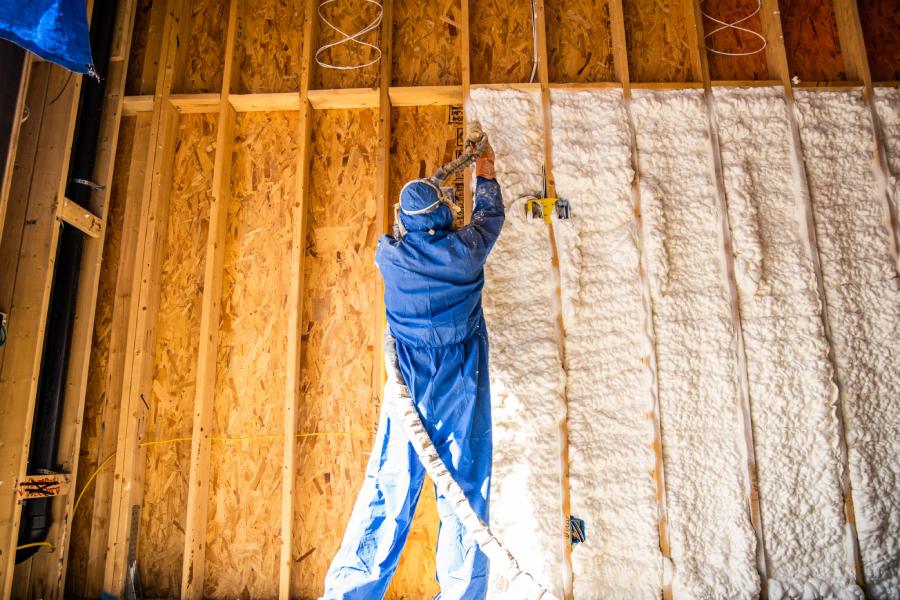
In the quest for energy efficiency and comfort, homeowners and builders alike are turning to innovative insulation solutions to enhance thermal performance. Among the most effective is spray foam insulation, a versatile material that provides an unparalleled air seal, reducing energy costs significantly. By understanding how spray foam insulation works and its benefits, individuals can make informed decisions that maximize energy savings and improve indoor comfort.
Understanding Spray Foam Insulation
Spray foam insulation is a type of insulation that expands upon application, filling gaps and creating a robust barrier against air and moisture infiltration. This material is composed of two components, polyol resin and isocyanate, which react when mixed, expanding to form a foam that adheres to surfaces.
Types of Spray Foam Insulation
- Open-cell foam: Known for its spongy texture, open-cell foam is lightweight and effective for soundproofing. It is often used in interior walls and ceilings.
- Closed-cell foam: Denser and more rigid, closed-cell foam provides a stronger moisture barrier and higher insulating value, making it ideal for exterior applications and areas prone to moisture.
Benefits of Spray Foam Insulation
Spray foam insulation offers numerous advantages that contribute to its growing popularity in residential and commercial construction.
Enhanced Energy Efficiency
- Superior Air Seal: Spray foam insulation creates an airtight seal, minimizing drafts and reducing energy loss.
- High R-Value: The R-value measures an insulation’s thermal resistance; spray foam provides one of the highest R-values per inch, ensuring effective heat retention.
Improved Indoor Comfort
- Consistent Indoor Temperature: By minimizing air leakage, spray foam helps maintain a consistent indoor temperature, enhancing comfort.
- Sound Dampening: Open-cell foam, in particular, is effective at reducing noise transmission, creating a quieter indoor environment.
Durability and Longevity
- Moisture Resistance: Closed-cell foam acts as a barrier against water, preventing mold and mildew growth.
- Structural Strength: The rigidity of closed-cell foam can enhance the structural integrity of walls and roofs.
Applications of Spray Foam Insulation
Spray foam insulation is versatile, suitable for various applications in both new construction and retrofitting projects.
- Attics and Roofs: Applying spray foam in attics and roofs helps prevent heat loss, reducing energy costs associated with heating and cooling.
- Walls: Both interior and exterior walls benefit from spray foam’s air-sealing and insulating properties, enhancing energy efficiency.
- Crawl Spaces and Basements: These areas often suffer from moisture problems, making closed-cell spray foam an ideal choice to protect against water damage.
Considerations for Choosing Spray Foam Insulation
While spray foam offers numerous benefits, certain considerations must be taken into account to ensure its effective use in any project.
- Professional Installation: Due to its complex application process, hiring a trained professional is crucial to achieving optimal results.
- Cost: Although spray foam insulation might have a higher upfront cost compared to traditional insulation materials, its energy-saving benefits often lead to a swift return on investment.
- Building Codes: It is essential to ensure that the use of spray foam complies with local building codes and regulations.
Conclusion
Spray foam insulation represents a significant advancement in energy-efficient building practices. By providing superior insulation and air sealing, it offers a reliable solution for those seeking to maximize thermal performance and reduce energy costs. When installed by professionals, spray foam insulation enhances the durability and comfort of any building, making it a prudent choice for modern construction and renovation projects.
About the Author