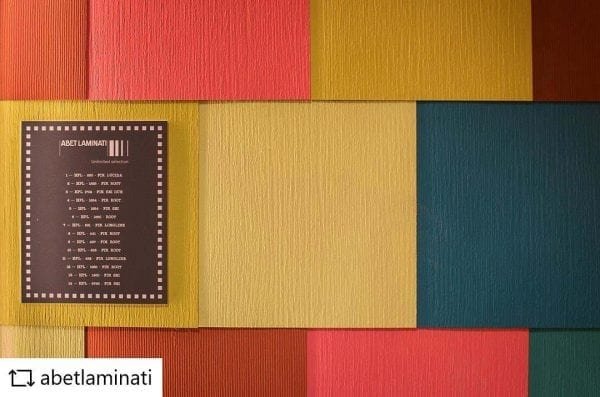
Architecture is not just about the structural integrity and functionality of a building; it also involves the art of creating visually appealing and inspiring spaces. Decorative surface materials play a crucial role in enhancing the aesthetic value of architectural designs. These materials not only provide a finishing touch but also contribute to the character and personality of a space. From elegant veneers and laminates to innovative composites, the choice of decorative surface materials can significantly impact the overall look and feel of a building. They offer architects and designers a versatile palette to experiment with, allowing them to achieve unique and stunning outcomes.
The Versatility of Decorative Surface Materials
Decorative surface materials are available in a wide range of options, each offering unique properties and aesthetic qualities. The versatility of these materials allows architects to create diverse and dynamic spaces, whether in residential, commercial, or public buildings. Here are some popular types of decorative surface materials:
- Laminates: Known for their durability and cost-effectiveness, laminates offer a broad spectrum of colors, textures, and patterns. They are ideal for high-traffic areas and can mimic the appearance of natural materials such as wood and stone.
- Veneers: Thin layers of wood or other materials, veneers add warmth and sophistication to interiors. They are often used in furniture, cabinetry, and wall paneling.
- Composites: Engineered materials that combine different substances to achieve specific characteristics. Composites are prized for their strength, lightweight nature, and resistance to environmental factors.
- Glass and Metals: Used for creating modern and sleek designs, these materials can be etched, colored, or textured to add visual interest and depth.
Each type of material offers distinct benefits, allowing for a tailored approach to architectural design. For more insights into choosing the right materials, discover expert strategies here.
Enhancing Aesthetics and Functionality
Creating Visual Interest
Decorative surface materials are key in creating visually captivating spaces. They can be used to highlight architectural features, create focal points, or provide a cohesive theme throughout a building. By carefully selecting textures, colors, and patterns, designers can evoke specific moods and atmospheres. To explore more about incorporating these materials effectively, find out more about this approach.
Improving Durability and Maintenance
Beyond aesthetics, decorative surface materials enhance the durability and ease of maintenance of a building. Materials like high-pressure laminates and engineered composites are designed to withstand wear and tear, making them suitable for both interior and exterior applications. They offer:
- Resistance to scratches, stains, and moisture.
- Simple cleaning and maintenance requirements.
- Long-lasting performance, reducing the need for frequent replacements.
For those interested in materials that balance beauty and functionality, learn about our tailored solutions.
Innovative Trends in Decorative Surfaces
The field of decorative surface materials is constantly evolving, with new innovations and trends emerging to meet the demands of contemporary architecture. Some of the current trends include:
- Sustainable Materials: Increasingly, architects are opting for eco-friendly materials that reduce environmental impact while providing aesthetic appeal.
- Customizable Designs: Advances in technology enable the creation of bespoke patterns and finishes that cater to specific design requirements.
- Interactive Surfaces: Incorporating technology into surfaces, such as touch-sensitive panels and LED-embedded materials, for dynamic and interactive environments.
Staying abreast of these trends can help architects and designers push the boundaries of design and functionality. To delve deeper into innovative trends, explore advanced guides and tips.
Decorative surface materials are essential in the world of architecture, providing both aesthetic value and practical solutions. By carefully selecting and applying these materials, architects can create spaces that are not only beautiful but also durable and functional. Whether it?s through traditional materials like wood veneers or cutting-edge composites, the possibilities are endless. By exploring the various options and staying informed about industry advancements, architects can effectively utilize decorative surface materials to elevate their designs.
About the Author