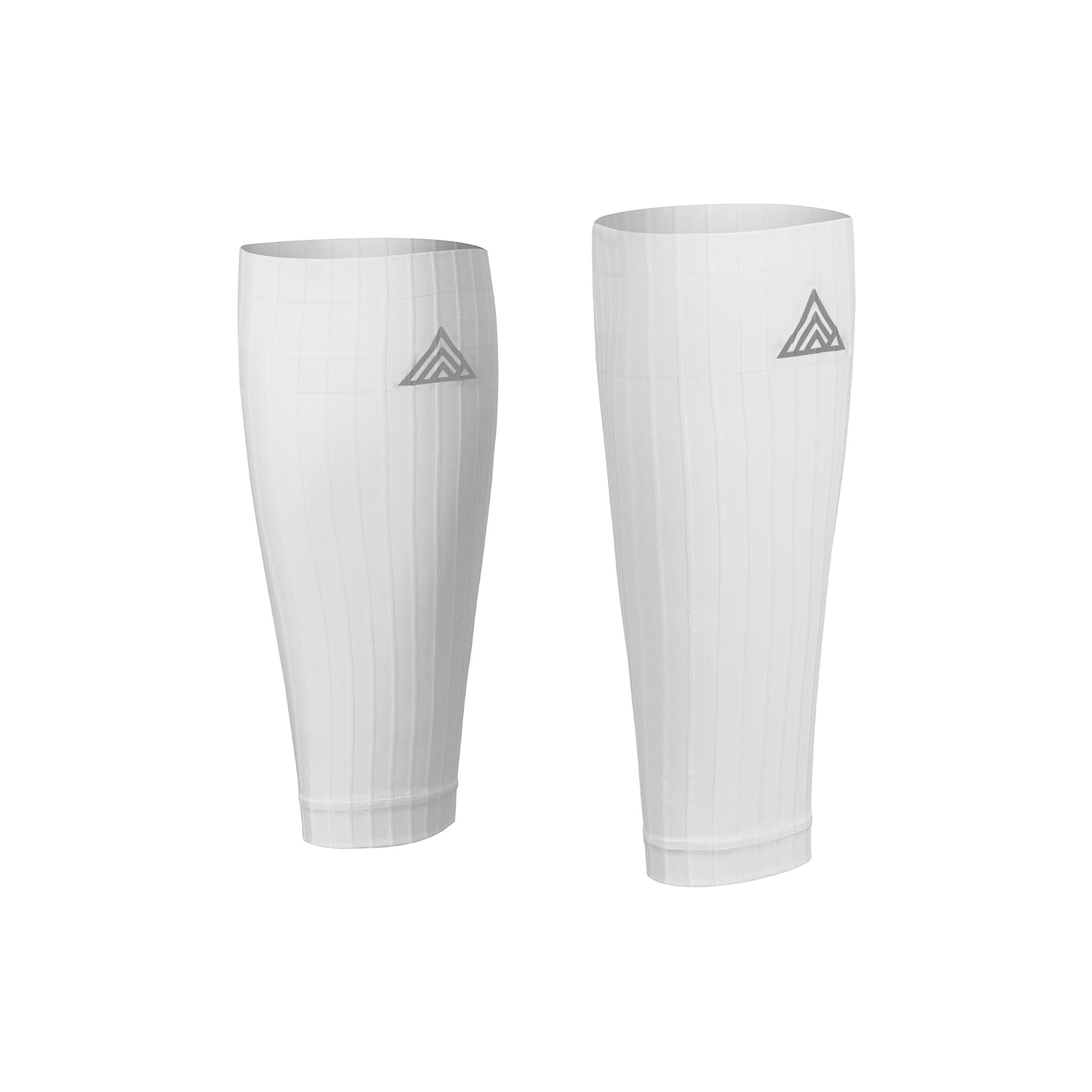
Choosing the right aero overshoes is a pivotal decision for any cyclist who wants to blend speed, comfort, and protection. Modern aero overshoes have evolved far beyond simple wind-deflecting shells; they now incorporate advanced materials, ergonomic designs, and precise fit systems that can dramatically influence performance on the road. This guide breaks down the key factors to consider, from aerodynamics and material technology to fit, durability, and climate adaptability, helping riders build a cohesive overshoes setup that maximizes efficiency without sacrificing comfort.
Understanding Aerodynamics: Why It Matters
The primary purpose of an aero overshoe is to streamline the foot-ankle complex, reducing drag caused by turbulent airflow around the shoe and pedal. Even a small reduction in drag can translate to measurable time gains over long distances.
- Shape and Profile: Look for overshoes with a tapered, low-profile silhouette that hugs the shoe’s contour without creating bulges.
- Seam Placement: Fewer seams and strategically placed stitching help maintain a smooth surface.
- Integrated Pedal Compatibility: Overshoes designed for specific pedal systems (e.g., SPD, Look, or Speedplay) often feature cut-outs or reinforced zones that preserve aerodynamic flow.
Material Selection: Balancing Wind-Resistance and Breathability
Material choice directly impacts both aerodynamic performance and rider comfort. Modern overshoes combine high-tenacity fibers with breathable membranes to achieve this balance.
Common Materials
- Polyester-Lycra Blends: Offer a snug fit and excellent wind-blocking properties.
- Neoprene: Provides superior water resistance and warmth, ideal for cooler climates.
- Mesh Panels: Integrated into strategic zones to enhance ventilation without compromising the aero shape.
For a deeper dive into material technology, Discover expert strategies here.
Fit and Sizing: Achieving a Secure, Comfortable Seal
A perfect fit is essential to prevent flap-back, which can increase drag and cause chafing. Most manufacturers provide detailed sizing charts based on shoe size and foot width.
- Measure the shoe’s length and width accurately before selecting an overshoe.
- Consider overshoes with adjustable closures (e.g., Velcro straps, silicone bands) for a custom seal.
- Test the overshoe with the intended cycling shoes and pedals; the foot should feel locked in place without excessive pressure.
Guidelines for selecting the ideal size can be found in the Learn about our tailored solutions section.
Durability and Maintenance: Longevity on the Road
Overshoes endure repeated friction from pedals, exposure to rain, and the occasional scrape against the road. Durability is a function of material quality, construction methods, and proper care.
- Reinforced Toe and Heel Zones: Extra stitching or tougher fabric extends lifespan where wear is greatest.
- Easy-Clean Fabrics: Materials that resist staining and can be hand-washed maintain performance over time.
- UV-Resistant Coatings: Protect against sun-induced degradation, especially for riders who train outdoors frequently.
For maintenance tips and product longevity insights, Explore advanced guides and tips.
Climate Considerations: Matching Overshoes to Conditions
Riding conditions vary dramatically throughout the season, and the right overshoe can keep the foot dry, warm, or cool as needed.
Cold Weather
- Choose overshoes with neoprene or insulated liners.
- Look for wind-blocking outer shells that seal out drafts.
Warm Weather
- Select lightweight, breathable options with mesh ventilation.
- Prioritize moisture-wicking fabrics to keep feet dry.
For a comprehensive overview of climate-specific models, Find out more about this approach.
Integration with the Overall Cycling Setup
Overshoes are just one component of a larger aerodynamic system that includes helmets, skinsuits, and shoe covers. Ensuring compatibility across all elements maximizes the cumulative drag reduction.
- Coordinate color schemes for a cohesive visual profile.
- Match the overshoe’s aerodynamic shape with the shoe’s sole design.
- Consider the interaction between overshoes and shoe cleats; some overshoes feature cleat-specific cut-outs to maintain airflow.
Final Checklist for Selecting Aero Overshoes
- Confirm the overshoe’s aerodynamic profile aligns with your riding style.
- Verify material composition meets your climate and durability needs.
- Ensure a precise fit using the brand’s sizing guide.
- Check for reinforced high-wear zones and easy-maintenance features.
- Integrate the overshoe seamlessly with your existing gear for optimal performance.
By carefully evaluating these factors, cyclists can select aero overshoes that not only cut through the wind but also provide lasting comfort and protection. A well-chosen pair becomes an invisible extension of the rider’s body, allowing focus to remain on power output and race strategy rather than equipment concerns.
About the Author