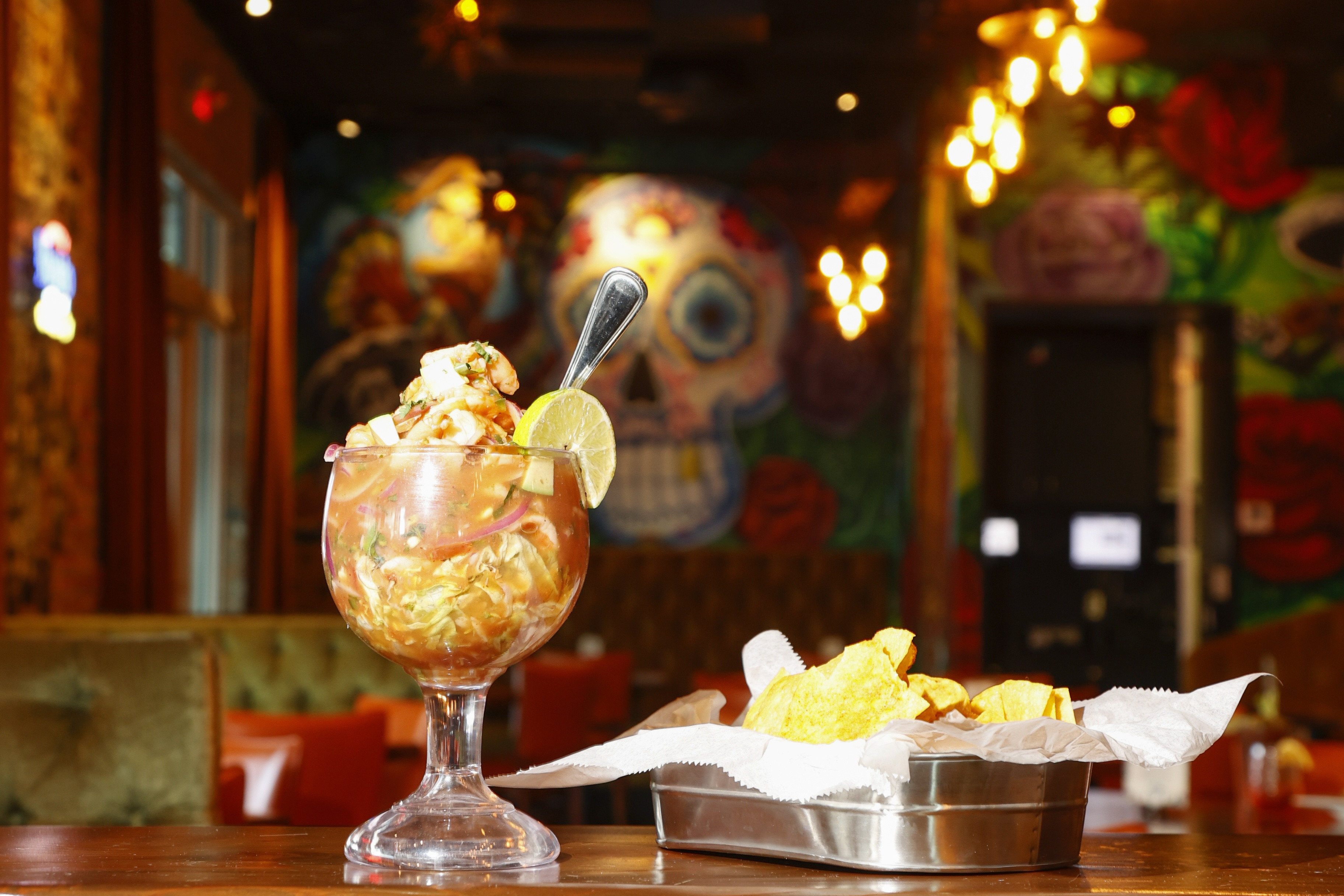
Mexican cuisine is a vibrant tapestry woven from centuries of indigenous traditions, colonial influences, and modern creativity. From the smoky depth of a perfectly roasted chiltepín to the bright sparkle of fresh lime, each element contributes to a sensory experience that transcends the plate. Understanding the fundamentals, ingredients, techniques, and cultural context, empowers cooks and diners alike to appreciate the true artistry behind every taco, mole, or mezcal-paired bite.
Core Ingredients That Define Mexican Flavors
At the heart of every authentic dish lies a handful of staple ingredients that have shaped Mexican gastronomy for generations.
- Chiles: From the fiery habanero to the earthy pasilla, chiles provide heat, aroma, and color.
- Corn: Used in tortillas, tamales, and pozole, corn is the foundational grain of the cuisine.
- Beans: Black, pinto, and refried beans add protein and texture, often serving as a hearty side.
- Tomatoes & Tomatillos: These provide acidity and sweetness, essential for salsas and sauces.
- Herbs & Spices: Cilantro, epazote, cumin, and oregano balance flavors and add regional character.
Seasonal Variations
Seasonality dictates the availability of many ingredients. In summer, fresh corn and tomatoes dominate menus, while winter brings root vegetables and dried chiles. Chefs who adapt to these cycles deliver dishes that feel both timely and rooted in tradition.
Techniques That Elevate Traditional Dishes
Mastery of technique transforms simple components into memorable meals. Below are essential methods every enthusiast should know.
- Grilling (Parrilla): Imparts a smoky char to meats and vegetables, essential for al pastor and carne asada.
- Slow-Cooking (Cocción Lenta): Used for mole sauces and barbacoa, allowing flavors to meld over hours.
- Nixtamalization: The process of treating corn with lime, producing masa for tortillas and tamales.
- Fermentation: Produces tangy beverages like tepache and enhances the umami of fermented sauces.
- Salsa Making: Balancing heat, acidity, and texture through roasting, grinding, and seasoning.
Applying Technique in Home Kitchens
Even without a commercial grill, a cast-iron skillet or a charcoal-fueled stove can replicate authentic smoky notes. Likewise, a slow cooker can mimic traditional pit cooking for mole or pork carnitas, preserving the depth of flavor.
Regional Diversity: From Coast to Highlands
Mexico's geography creates distinct culinary identities. Recognizing these differences enriches the dining experience and guides menu development.
- Yucatán Peninsula: Emphasizes citrus, achiote, and habanero, producing dishes like cochinita pibil.
- Oaxaca: Known as the "Land of Seven Moles," each mole blends chilies, chocolate, nuts, and spices.
- Northern States: Favor beef, wheat flour tortillas, and grilled meats, reflecting a ranching heritage.
- Pacific Coast: Seafood dominates, with ceviche, grilled fish, and shrimp tacos featuring prominently.
Pairing Food with Drink
Traditional pairings enhance the overall sensory profile. For example, a citrus-forward mezcal complements the smoky depth of grilled pork, while a crisp blanco tequila highlights the freshness of a mango-infused salsa. Establishments that curate thoughtful pairings often become destinations for culinary tourists.
Modern Interpretations in Contemporary Settings
While reverence for tradition remains paramount, many chefs reinterpret classic recipes to appeal to evolving palates. This innovation is evident in upscale venues that blend Mexican staples with global techniques.
- Deconstructed tacos served on corn crisps with avant-garde sauces.
- Plant-based mole using jackfruit or tempeh for a sustainable twist.
- Fusion dishes that marry Mexican chilies with Japanese umami, such as miso-marinated carne asada.
For a real-world example of how tradition meets modern flair, explore the menu at Tulio's Tacos and Tequila Bar. The venue showcases inventive taco fillings while maintaining authentic flavor foundations, illustrating how contemporary concepts can coexist with heritage.
Creating an Authentic Experience at Home
Bringing Mexican cuisine to a home kitchen involves more than recipes; it requires an appreciation for the cultural narrative behind each dish.
- Source Quality Ingredients: Seek out authentic Mexican chiles, masa harina, and fresh herbs.
- Invest in Proper Tools: A molcajete for grinding spices, a tortilla press, and a cast-iron skillet can make a noticeable difference.
- Study Traditional Methods: Watch tutorials on nixtamalization or slow-cooked mole preparation.
- Balance Flavors: Aim for the five fundamental tastes, sweet, salty, sour, bitter, and umami, in each plate.
- Serve with Thoughtful Pairings: Offer a selection of tequilas or mezcal that complement the dish's flavor profile.
For additional inspiration, the culinary team at Tulio's Tacos and Tequila Bar frequently shares seasonal menu updates that highlight regional ingredients and innovative pairings, serving as a valuable reference for home cooks seeking authenticity.
Conclusion
Mastering authentic Mexican cuisine is a journey through history, geography, and technique. By respecting core ingredients, honing traditional methods, and embracing regional diversity, cooks can deliver dishes that resonate with both heritage and contemporary taste. Whether dining at a celebrated venue or experimenting in a personal kitchen, the ultimate goal remains the same: to celebrate the rich, bold, and unforgettable flavors that define Mexico's culinary legacy.
About the Author


